
I came across a post on Reddit a while ago where someone had worked out, in careful detail, how to save about Rs 10,000 a year in charges on a portfolio of Rs 10,000,000.
The arithmetic was correct. Every line of it.
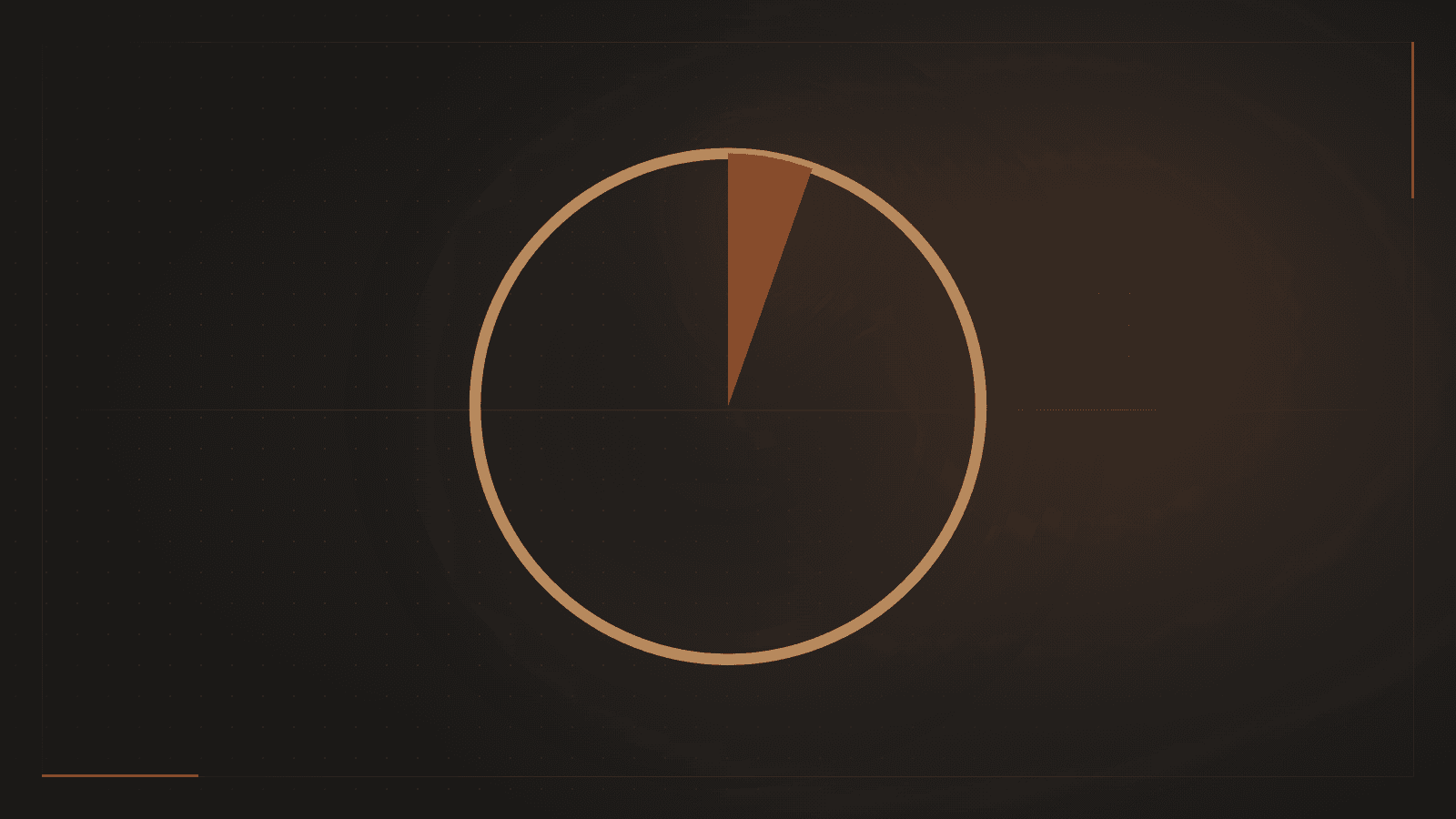
What nobody mentioned is that Rs 10,000 on Rs 10,000,000 is one tenth of one percent. And that the time spent working it out could have gone somewhere far more valuable.
The Question Everyone Asks Is the Wrong One
When people look at a cost, they almost always ask how to make it smaller.
That's the wrong question, and it shapes everything that follows.
The better question is what you're getting in return. Does this cost buy me convenience, time, a better experience, less to worry about? Is what I'm receiving worth what I'm paying? And crucially, what else could I be doing with the hours I'm about to spend shaving it down?
Ask it that way and something uncomfortable emerges. Sometimes the right answer is to pay more, not less.
The Most Expensive Saving I Ever Made
I used to live about 30 kilometres from my office.
The commute took around three hours of my day. Not just the time either. I arrived at work already drained and got home with nothing left, and the person my family got at night was not a good version of me. It affected my work and it affected my relationships.
My mentor told me to move closer to the office. But the rent would be more than three times what I was paying. So I resisted. I was looking at the rent figure and thinking about how much more I'd be spending, which is exactly the small-savings mindset that Reddit post was built on. Three times the rent felt reckless.
He explained it differently. You won't just get three hours back, he said. Your productivity will go through the roof, and that will raise your earning capacity. The rent is not a cost. It's a purchase, and what you're buying is your own capability.
I moved. He was right. The extra rent was the best money I have ever spent, and by the old way of thinking it looked like the worst decision available.
Why I Don't Track My Charges
The same logic runs through how I handle costs in investing.
I have never gone through my brokerage charges line by line. I don't know what I've paid in account fees over the years. I've never added up the capital gains tax I've paid.
Three reasons.
I can't avoid any of it, so there's nothing for my attention to do there.
The proportion doesn't warrant it. Capital gains tax is 15%, which leaves 85% of whatever I make. The 85% is considerably more interesting than the 15%.
And tax is derived from gains. It's a product of having earned something. A year with a large tax bill is a year that went well. Treating it as a loss to be minimised gets the relationship backwards.
None of that is carelessness. It's a decision about where a limited amount of time goes.
What Your Time Is Actually Worth
Here's the calculation almost nobody does.
For most people in Pakistan, investing in the stock market is a side activity. It sits between a full-time job and a family, which means the hours available for it in a year are few and fixed. You cannot manufacture more of them.
So every hour has to justify itself against what else that hour could have done.
An hour spent comparing brokerage rates on PSX might save you a few hundred rupees. An hour spent getting better at your actual profession, or building the side income that feeds your portfolio, or understanding one business properly, is playing for a number with more digits in it.
Neither is guaranteed. But you tend to find what you go looking for. A mind trained on savings gets very good at finding savings. A mind trained on opportunities gets good at finding those. Both people are working just as hard. They're fishing in ponds of completely different sizes.
If you spend your energy chasing 0.1%, you will most likely get your 0.1%. If you spend it working towards a 20% or 30% return, you're at least in a position where that becomes possible.
Where This Applies Beyond Investing
Once you start asking what you're getting rather than what you're paying, the same question shows up everywhere.
Is the cheaper option costing you three hours a week? Is the thing you refuse to pay for the reason you're still doing work someone else could do? Is the saving you're proud of quietly capping how much you can earn?
I'm not arguing for spending carelessly. My mentor wasn't telling me to be extravagant. He was telling me to stop treating every rupee as a rupee saved and start asking what each one buys.
Some costs buy nothing and should go. Some buy time, focus, or capability, and those are the ones worth increasing rather than cutting.
That question is worth asking of anyone charging you, including me and including any adviser you ever deal with. Not "what does this cost?" but "what am I actually getting, and is it worth it?" If the answer is nothing, walk away regardless of how small the fee is. If the answer is something you actually value, the fee isn't the point.
Making Money Is a Matter of Mindset
I used to do these savings calculations too. I was good at them, and they felt productive because they produced a number I could point to.
What changed was understanding that the counting itself was the problem. Every minute on the spreadsheet was a minute not spent on the thing that could multiply.
Alhamdulillah, since taking that advice, things have grown in ways the savings approach would never have produced. Not because I found a secret, but because I moved my attention to where the large numbers live and stopped guarding the small ones.
You have limited time. That's the real constraint, not the charges.
Trying to calculate savings won't make you wealthy. Trying to increase your returns and your income might.
Written by Fatiq Bin Khursheed
← Back to Insights